垃圾焚燒飛灰固化系統
飛灰固化系統介紹
飛灰固化系統是一種環保處理技術,用于將垃圾焚燒過程中產生的飛灰轉化為無害或低害的固體廢物,以便于安全儲存、運輸和最終處置。以下是關于飛灰固化系統及其相關內容的詳細介紹:
?(1)垃圾發電廠飛灰固化系統?
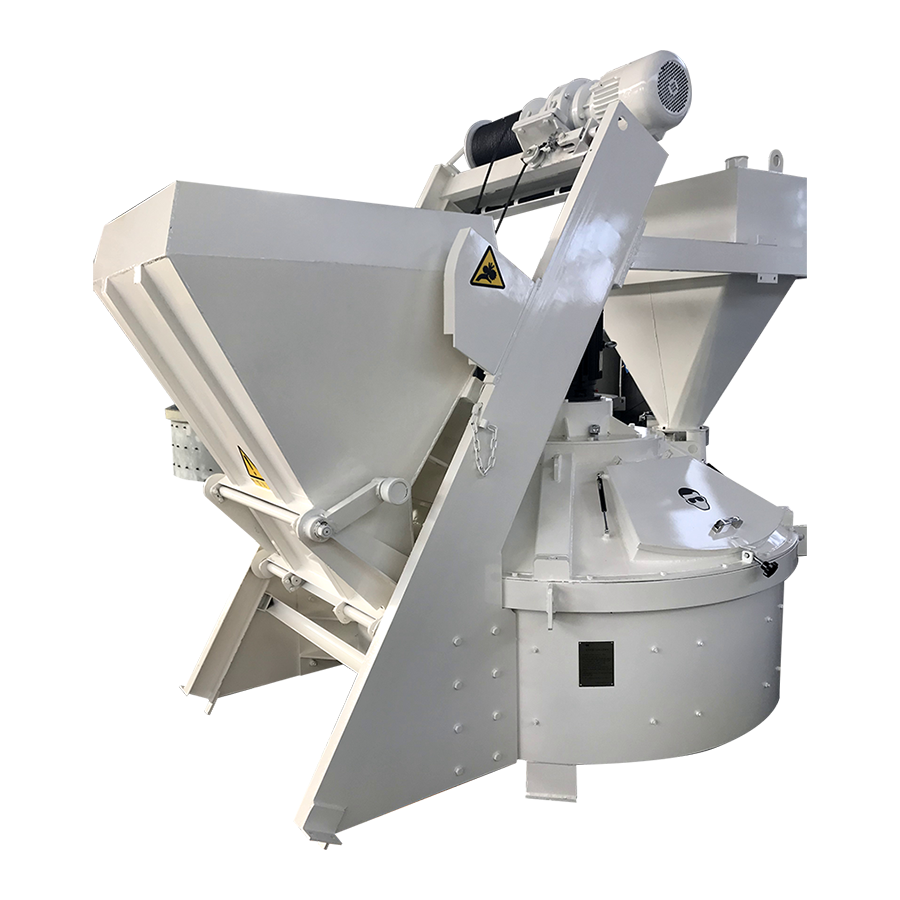
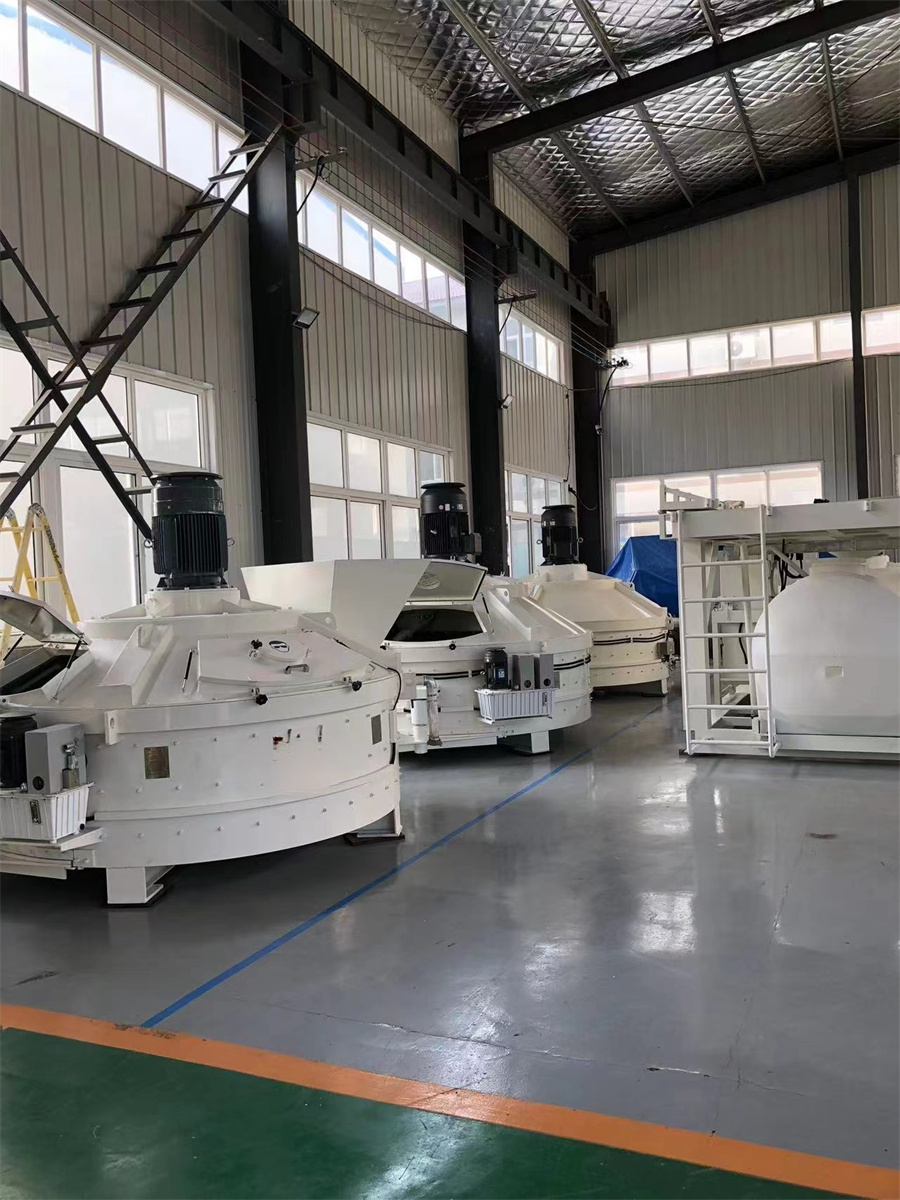
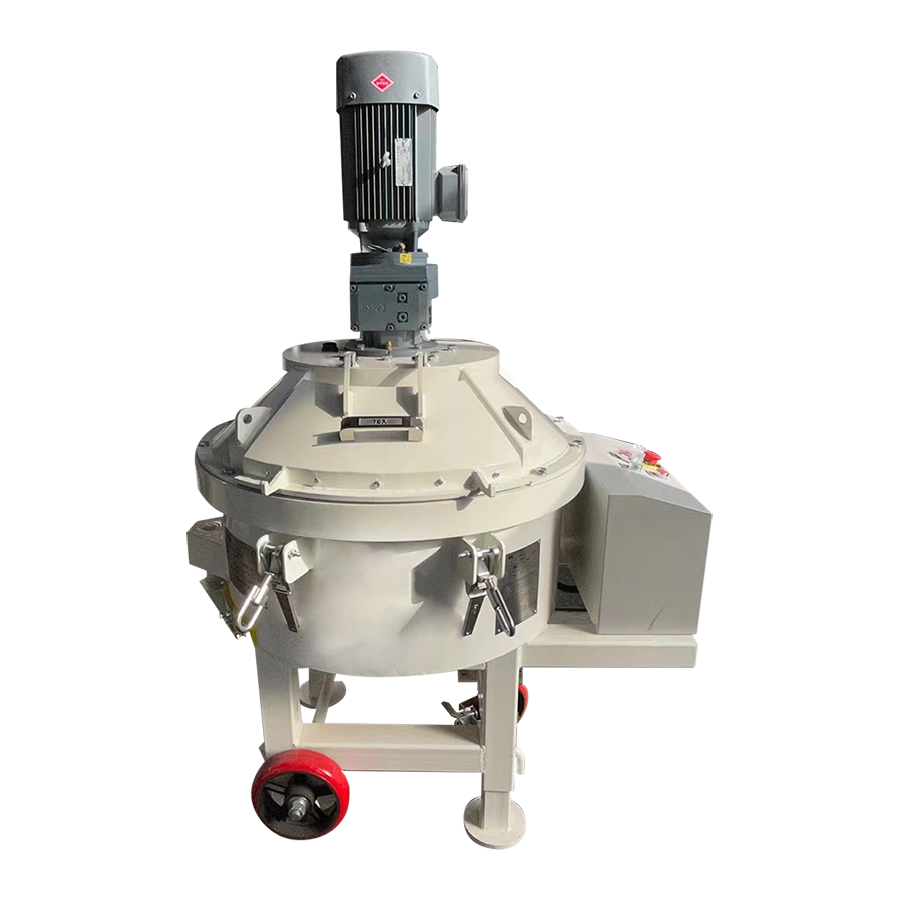
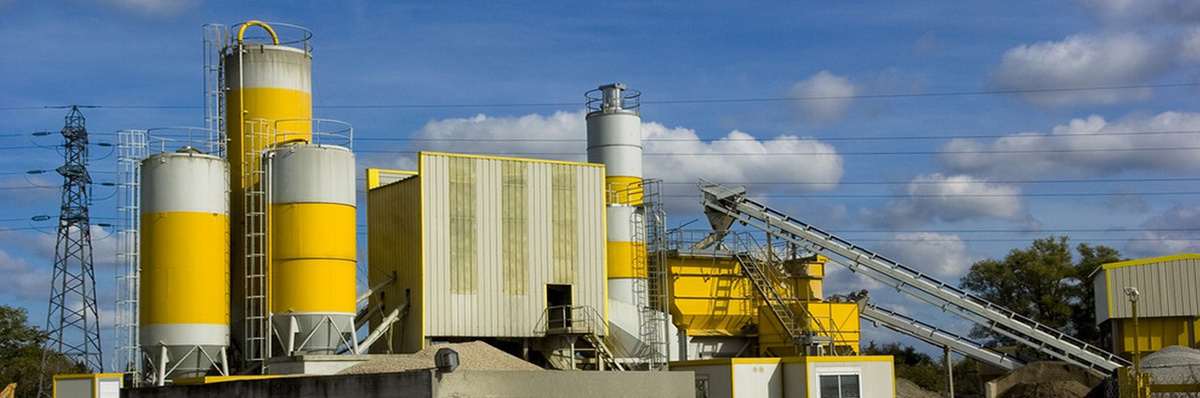
垃圾發電廠飛灰固化系統主要由飛灰收集、儲存、輸送、混合攪拌、固化成型及養護等部分組成。系統工作原理是將焚燒廠煙氣處理系統的飛灰收集后送入存儲倉,同時水泥、藥劑也送至相應的儲存裝置中。這些材料按照工藝配比,通過計量裝置和輸送裝置送入飛灰混煉機中進行混煉處理。混煉后的飛灰漿體通過一系列設備制成水泥制品,并進行養護。養護完成后,形成的固化體可以安全地運輸到填埋廠進行填埋處理?。此系統有效解決了垃圾焚燒發電廠飛灰處理難題,實現了飛灰的穩定化、減量化和無害化處理。
系統特點:
實現飛灰的穩定化、減量化和無害化處理。
解決飛灰處理難題,保障環境安全。
提高垃圾發電廠的整體環保水平。
系統操作自動化,減少人工干預,提高安全性。
?(2)垃圾發電廠飛灰固化系統改造升級?
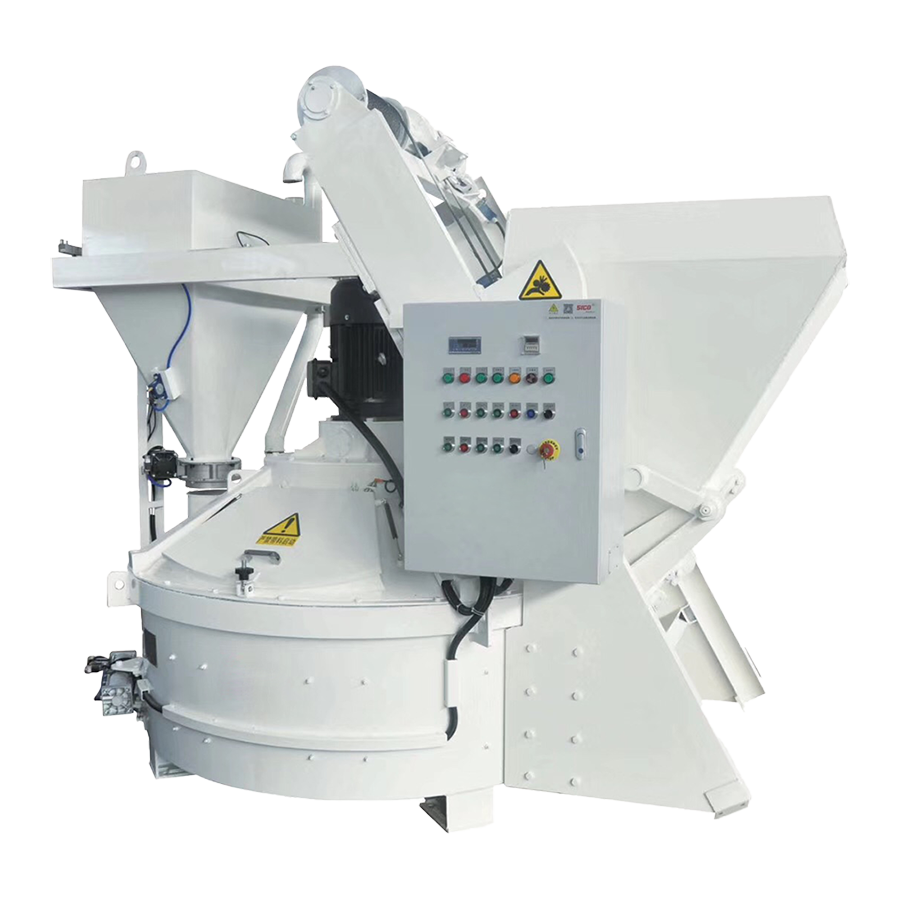
垃圾發電廠飛灰固化系統的改造升級主要圍繞提高處理效率、降低能耗、增強系統穩定性等方面進行。改造內容可能包括優化系統布局、升級關鍵設備、引入智能化控制系統等。通過改造升級,可以實現飛灰固化過程的自動化、智能化控制,提高處理效率和質量,同時降低運行成本和維護難度。例如,引入PLC控制系統實現全自動控制,并具備配方組合和保存功能,可以大大提高系統的靈活性和穩定性?。
改造升級優勢:
提高處理效率和質量。
降低能耗和運營成本。
增強系統穩定性和靈活性。
實現自動化和智能化控制。
?(3)飛灰二次螯合系統?
飛灰二次螯合系統是針對垃圾焚燒發電廠檢修或處理不合格飛灰而設計的專門設備。該系統主要由破袋系統、粉碎系統、配料系統、混合攪拌系統、穩定劑溶液供給系統等部分組成。二次螯合的過程是將不合格的飛灰或塊狀飛灰進行破碎、粉碎后,再與螯合劑、水泥等材料進行混合攪拌,形成穩定的固化體。此系統可以有效處理第一次處理不合格的飛灰或檢修時清理出的焦塊及塊狀飛灰,確保飛灰的穩定化處理達到標準要求?。
系統優勢:
高效處理:專門針對初次處理不合格的飛灰,確保其穩定化處理達到環保標準。
適應性廣:適用于處理檢修期間清理出的焦塊及塊狀飛灰,提高處理靈活性。
優化資源利用:通過二次螯合,減少飛灰的處置量,實現資源的最大化利用。
環境安全:降低重金屬等有害物質的浸出風險,保護環境和公共健康。
自動化操作:系統操作自動化,減少人工干預,提高處理效率和安全性。
成本效益:通過優化處理流程,降低長期運營成本,實現經濟效益和環境效益的雙贏。
?(4)飛灰資源化配套解決方案?
飛灰資源化配套解決方案是在飛灰固化處理的基礎上,進一步探索飛灰的資源化利用途徑。通過科學合理的處理和利用方式,將飛灰轉化為有價值的資源或產品。例如,可以將固化后的飛灰作為建筑材料或填坑物料使用,實現資源的再利用。同時,也可以考慮將飛灰中的有用成分進行提取和回收,用于生產其他產品。此方案不僅可以減少飛灰對環境的危害,還可以實現資源的循環利用和經濟的可持續發展?。
解決方案優勢:
實現飛灰的資源化利用,減少對環境的負擔。
降低垃圾處理成本,提高經濟效益。
促進循環經濟發展,實現可持續發展目標。
Municipal Solid Waste Incineration Fly Ash Solidification System
Introduction to the Fly Ash Solidification System
The fly ash solidification system is an environmental protection treatment technology used to convert fly ash produced during garbage incineration into harmless or low-harm solid waste, making it safe for storage, transportation, and final disposal. Below is a detailed introduction to the fly ash solidification system and related content:
(1) Waste-to-Energy Plant Fly Ash Solidification System
The fly ash solidification system in waste-to-energy plants consists of fly ash collection, storage, transportation, mixing, solidification forming, and curing, among other components. The system operates by collecting fly ash from the incineration plant's flue gas treatment system and transporting it to a storage silo, while cement and chemicals are also sent to their respective storage devices. These materials are mixed in accordance with the process ratio, passed through a measuring device and conveying device, and then mixed in the fly ash kneader. The mixed fly ash slurry is processed through a series of equipment to form cement products and undergoes curing. Once cured, the solidified product can be safely transported to a landfill for disposal. This system effectively solves the problem of fly ash treatment in waste-to-energy plants, achieving stabilization, reduction, and harmless treatment of fly ash.
System Features:
Achieves stabilization, reduction, and harmless treatment of fly ash.
Solves the difficulties of fly ash treatment and ensures environmental safety.
Improves the overall environmental protection level of waste-to-energy plants.
Automated system operation, reducing manual intervention and enhancing safety.
(2) Upgrade of Waste-to-Energy Plant Fly Ash Solidification System
The upgrade of the fly ash solidification system in waste-to-energy plants primarily focuses on improving treatment efficiency, reducing energy consumption, and enhancing system stability. The upgrade may include optimizing system layout, upgrading key equipment, and introducing intelligent control systems. Through these upgrades, the fly ash solidification process can be automated and intelligently controlled, improving treatment efficiency and quality while reducing operating costs and maintenance difficulty. For example, the introduction of a PLC control system for fully automated control, with formula combination and preservation functions, greatly enhances system flexibility and stability.
Upgrade Advantages:
Improves treatment efficiency and quality.
Reduces energy consumption and operating costs.
Enhances system stability and flexibility.
Achieves automation and intelligent control.
(3) Fly Ash Secondary Chelation System
The fly ash secondary chelation system is a specialized equipment designed for the maintenance or treatment of unqualified fly ash in waste-to-energy plants. The system mainly consists of a bag-breaking system, crushing system, batching system, mixing system, and stabilizer solution supply system. The secondary chelation process involves breaking and crushing unqualified fly ash or blocky fly ash, followed by mixing with chelating agents and cement to form a stable solidified product. This system can effectively treat fly ash that was not properly treated in the first process or the coke and blocky fly ash cleaned during maintenance, ensuring that the stabilization of fly ash meets standard requirements.
System Advantages:
Efficient processing: Specifically designed for fly ash that was not properly treated initially, ensuring it meets environmental standards.
Wide adaptability: Suitable for treating coke and blocky fly ash cleaned during maintenance, improving processing flexibility.
Optimized resource utilization: Through secondary chelation, reduces the disposal volume of fly ash, maximizing resource utilization.
Environmental safety: Reduces the risk of leaching of heavy metals and other harmful substances, protecting the environment and public health.
Automated operation: The system operates automatically, reducing manual intervention, and improving processing efficiency and safety.
Cost-effective: By optimizing the treatment process, reduces long-term operating costs, achieving a win-win for economic and environmental benefits.
(4) Comprehensive Solution for Fly Ash Resource Utilization
The comprehensive solution for fly ash resource utilization builds upon the solidification treatment of fly ash to further explore ways to utilize fly ash as a resource. Through scientific and reasonable treatment and utilization methods, fly ash is converted into valuable resources or products. For example, the solidified fly ash can be used as a building material or for backfilling, achieving resource reuse. Additionally, the useful components in fly ash can be extracted and recycled for the production of other products. This solution not only reduces the environmental harm of fly ash but also promotes the recycling of resources and the sustainable development of the economy.
Solution Advantages:
Realizes the resource utilization of fly ash, reducing the environmental burden.
Lowers the cost of waste treatment, improving economic benefits.
Promotes the development of a circular economy, achieving sustainable development goals.